

The Governance Gap in ML Operations: Why Experiment Tracking Isn't Enough
Most ML platforms track experiments beautifully. Almost none answer the compliance team's actual question: who decided this model should be in production, and why?
From the team
Practical writing on model governance from the engineers who work on it daily. Drift detection, retrain policy design, RBAC patterns, audit trail architecture, and the compliance questions you'll face when ML moves from notebooks to production.
Most ML platforms track experiments beautifully. Almost none answer the compliance team's actual question: who decided this model should be in production, and why?

Population Stability Index, KL divergence, and Wasserstein distance each catch different failure modes. Here's the practical guide to choosing your drift detection metric.
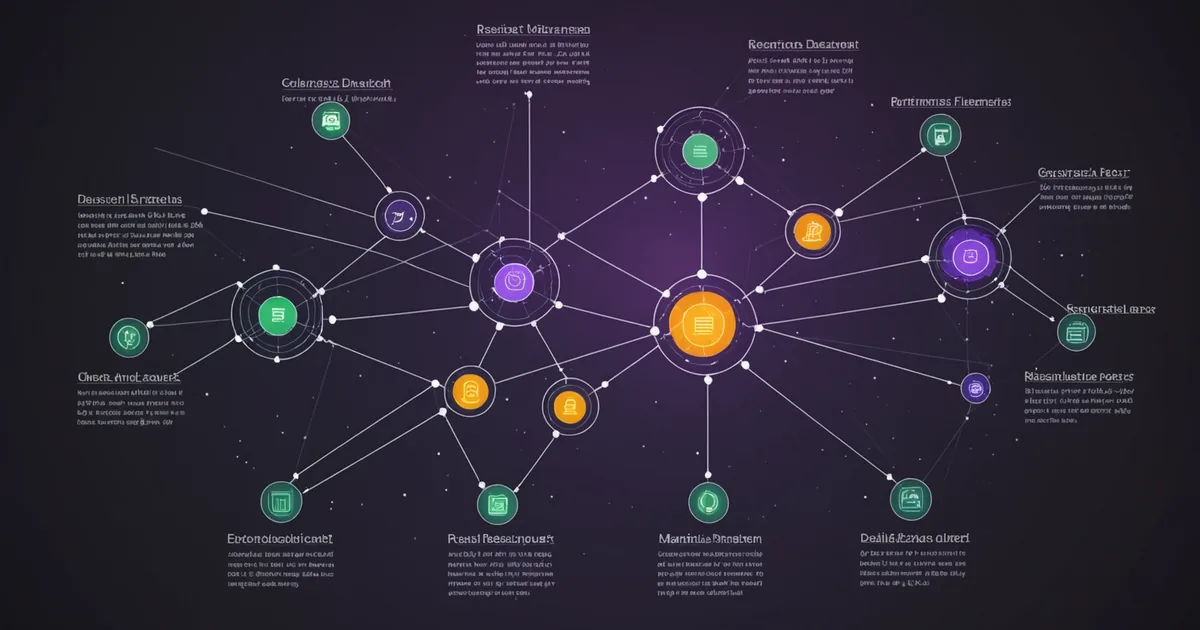
Scheduled retraining is a band-aid. Event-driven retrain policies — triggered by real drift signals and gated by human approval — are how enterprise ML teams maintain accountability at scale.
ML Engineer, ML Lead, Compliance Owner, Data Steward — different roles need different permissions over model lifecycle decisions. How to implement meaningful RBAC without slowing down your team.
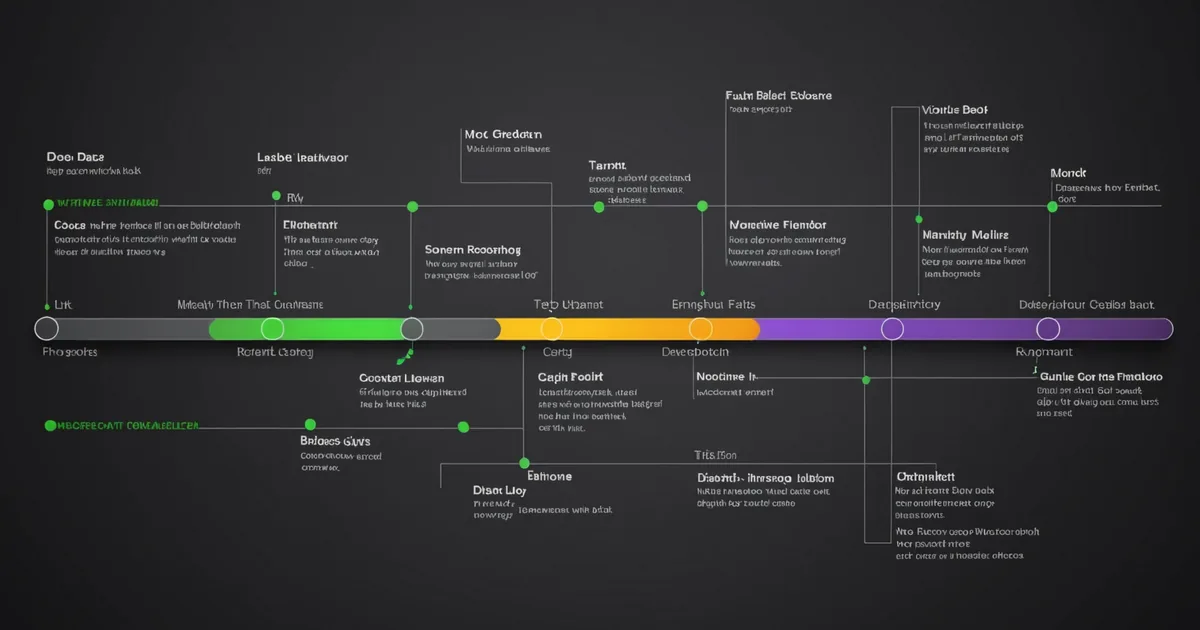
When a compliance auditor asks 'why is model version 3.4 in production instead of 3.3?', you need a complete answer — not a Confluence search party. What a proper ML audit trail contains.

These tools solve different problems. MLflow is an artifact registry. W&B is an experiment tracker. Inferpathio is a governance layer. Here's when you need all three — and when two is enough.
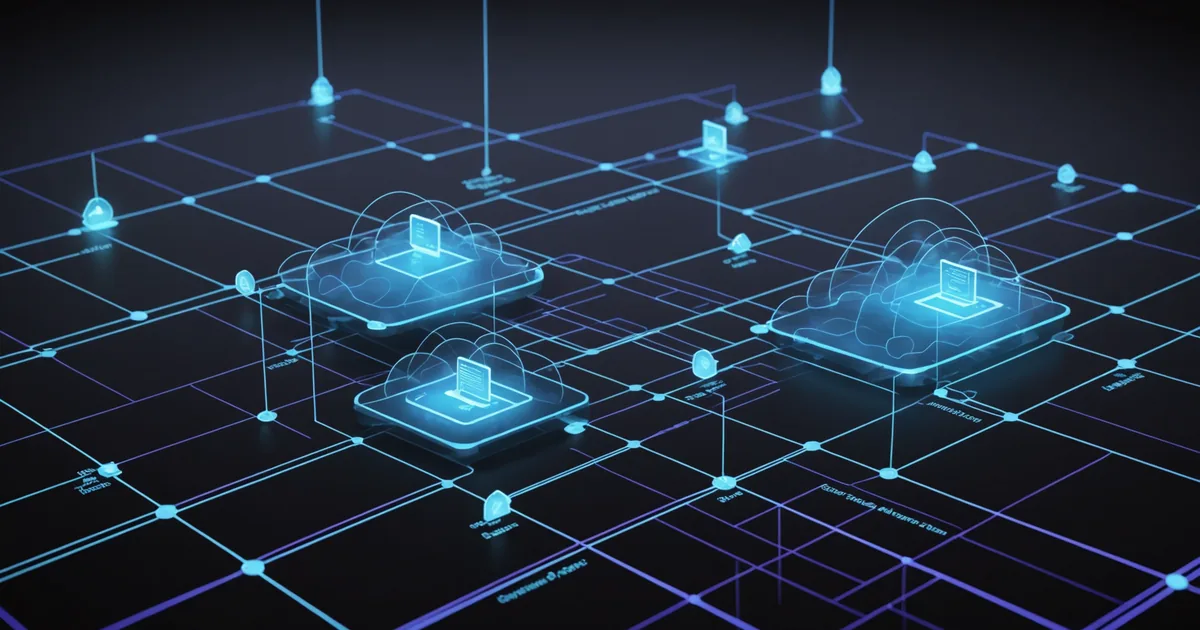
Step-by-step guide: connect your SageMaker inference endpoints to Inferpathio's governance layer. Capture prediction logs, set drift thresholds, and route retrain requests through your approval chain.

Rolling back a software deployment takes 30 seconds. Rolling back an ML model safely — with feature schema validation, prediction traffic rerouting, and lineage preservation — takes planning.

Full automation sounds ideal until a drift-triggered retrain promotes a worse model during a product launch. We make the case for human-in-the-loop approval checkpoints.
Shadow mode traffic, canary evaluation, full swap — three deployment patterns for updating a production model without service interruption. Which to choose, and how Inferpathio tracks each.

SOC 2 auditors are increasingly asking about model lifecycle controls. What evidence do you need, where does it live, and how do you produce it without a week of manual archaeology?

Feature drift means your input distribution shifted. Concept drift means the real-world relationship your model learned has changed. They're often confused, and they require different remediation strategies.

A practical checklist of 24 governance controls across four domains: version lineage, drift monitoring, retrain authorization, and audit readiness. Printable, shareable, and opinionated.
When six business units each have their own ML models but share a central platform team, who owns governance? How to structure RBAC, approval chains, and audit trails across organizational boundaries.
Drift detection, retrain policy patterns, compliance checklists, integration guides — directly to your inbox. No product announcements, only technical content.