
Our Story
We built what we needed at 3 AM.
In early 2023, Kevin Nakamura was leading ML platform engineering at a Seattle-based fintech, maintaining 22 production models across four product lines — credit scoring, fraud detection, churn prediction, and loan underwriting. In Q4 review, the compliance team submitted a formal request: document why the credit-risk model had been retrained three times in the past quarter, including who authorized each retrain and what triggered it.
The answer took a week. W&B had the experiment run metrics. MLflow had the artifact lineage. But neither had the approval chain, the policy threshold that triggered the retrain, or an immutable record of who reviewed what and when. The audit evidence was assembled from Confluence, Slack exports, and three separate retrospective documents — none of which were designed to be tamper-evident.
That week, Kevin and Yuki Tanaka sketched the first architecture of what became Inferpathio: governance as a versioned policy layer that sits above your experiment tracker and artifact registry, not inside them. Inferpathio was incorporated in September 2023. It has been bootstrapped since day one — no outside capital, no investor timelines.
Mission
Enterprise ML teams shouldn't have to choose between moving fast and having accountability. We're building the governance layer that lets them do both.
The MLOps ecosystem has excellent experiment trackers (W&B, Neptune), solid artifact registries (MLflow, DVC), and capable model monitoring tools (Evidently, Arize). What's consistently missing is the layer that answers the organizational question: who authorized this decision, under what policy, and what's the complete tamper-evident record of why this model version is in production right now? That's not a tracking problem. It's a governance problem. We're solving it.
The Team
Seattle-based, remote-friendly

Kevin Nakamura
CEO & Co-Founder
Led ML platform engineering at a Seattle fintech for four years before Inferpathio. Spent most of that time managing the gap between what tracking tools recorded and what compliance teams actually needed to see.

Yuki Tanaka
Head of ML Engineering & Co-Founder
Previously built MLflow-based model registries for a supply chain analytics company. Designed Inferpathio's drift detection engine and the YAML policy schema from the first prototype.
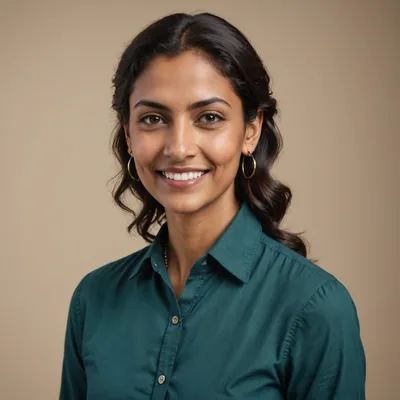
Priya Anand
Product Engineering & Co-Founder
Background in developer tooling and API design. Owns the SDK surface, the approval workflow UX, and the compliance export pipeline. Previously at a growing data infrastructure company in San Francisco.
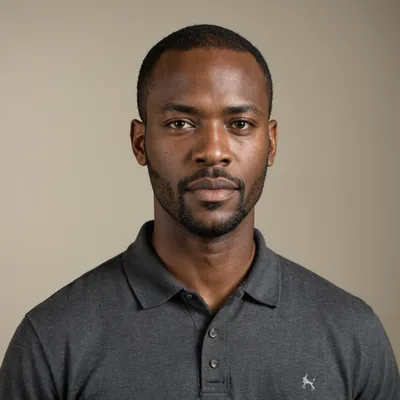
Marcus Osei
Head of Infrastructure & Co-Founder
Former SRE at a Seattle cloud-native platform team. Designed Inferpathio's multi-tenant audit log storage and the immutable event pipeline that ensures no governance record can be modified or deleted after write.
How We Work
Three things we won't compromise on
Precision over hype
We don't market features that don't exist yet. Every capability on this site works in production. If we're uncertain about something, we say so. ML engineering teams respect precision — we try to earn that respect.
Boring infrastructure
Governance tooling should be invisible when it's working. We optimize for reliability, auditability, and consistent behavior — not flashy dashboards. The best infrastructure is the kind that nobody notices until they need it in a regulatory review.
Audit everything
We eat our own cooking. Inferpathio's own infrastructure runs on the same governance tooling we sell. Our deployment decisions, retrain events, and policy changes are all logged and auditable. We publish our security posture and don't claim certifications we haven't earned.
We're hiring — Seattle & remote
Looking for ML engineers, platform engineers, and technical writers who care deeply about tooling quality. Reach out directly.