
20 models in production.
One audit trail.
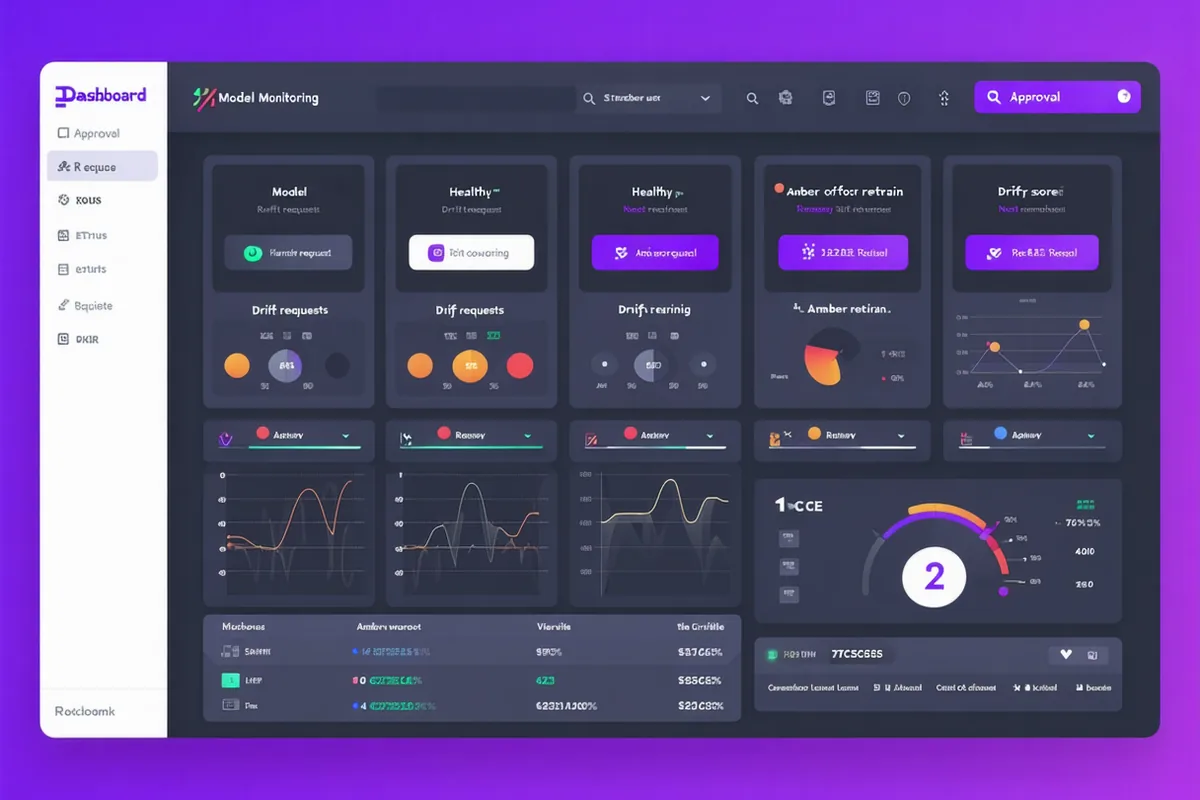
Your experiment tracker records what happened. Your artifact registry stores the weights. Neither tells the compliance team who authorized the retrain, what policy governed it, or why this version replaced the last one. Inferpathio is the governance layer that does.
The Problem
Your models ship to prod. Then what?
W&B is an excellent experiment tracker. MLflow is a solid artifact registry. Neither was designed to answer: who approved this retrain? Under what policy? What is the immutable record of every decision that put this model version in production?
Your compliance team needs a reproducible audit trail. Your platform team wants YAML-defined retrain policies that don't live in someone's head. Your on-call engineer needs to roll back to any ancestor version in under 60 seconds — with lineage intact.
None of those tools cover that. Inferpathio does.
| Capability | Inferpathio | W&B | MLflow |
|---|---|---|---|
| Retrain Approvals | |||
| Drift Policy YAML | |||
| Audit Trail | |||
| Role-Based Access | |||
| 1-Click Rollback | |||
| Compliance Export |
How It Works
From signal to fix in 10 minutes
Detect
SDK sends drift alert
When PSI exceeds your configured threshold, the SDK fires a governance event automatically.
import inferpathio as ifp

tracker = ifp.ModelTracker(
    model_id='credit-risk-v3',
    policy='production-strict'
)

# Triggers governance pipeline
tracker.log_prediction_batch(
    features=X_batch,
    labels=y_actual,
    threshold=0.08  # PSI
)Govern
Enters approval queue
Retrain request routes to the right approvers per your RBAC policy — ML Lead and Compliance Owner notified within minutes.
model: credit-risk-v3
retrain_trigger:
  psi_threshold: 0.08
  accuracy_floor: 0.91
approval:
  required: true
  approvers:
    - role: ml-lead
    - role: compliance-owner
timeout_hours: 24Retrain
Pipeline triggers
On approval, a webhook fires your training pipeline automatically. Every action is logged with actor, timestamp, and policy version.
{
  "event": "retrain.approved",
  "model_id": "credit-risk-v3",
  "approved_by": "[email protected]",
  "policy_version": "[email protected]",
  "trigger": {
    "type": "drift",
    "psi": 0.12
  },
  "pipeline_run_id": "run_8f3a2c1d"
}Deploy
New version, full lineage
Approved version is promoted to production. Full DAG from experiment to deployment is stored — rollback to any ancestor in under 60 seconds.
{
  "event": "model.promoted",
  "model_id": "credit-risk-v3",
  "version": "v3.8",
  "replaces": "v3.7",
  "lineage_url":
    "app.inferpathio.com/lineage/v3.8",
  "rollback_available": true
}
Enterprise Governance
Built for the org, not just the notebook
Audit & Compliance
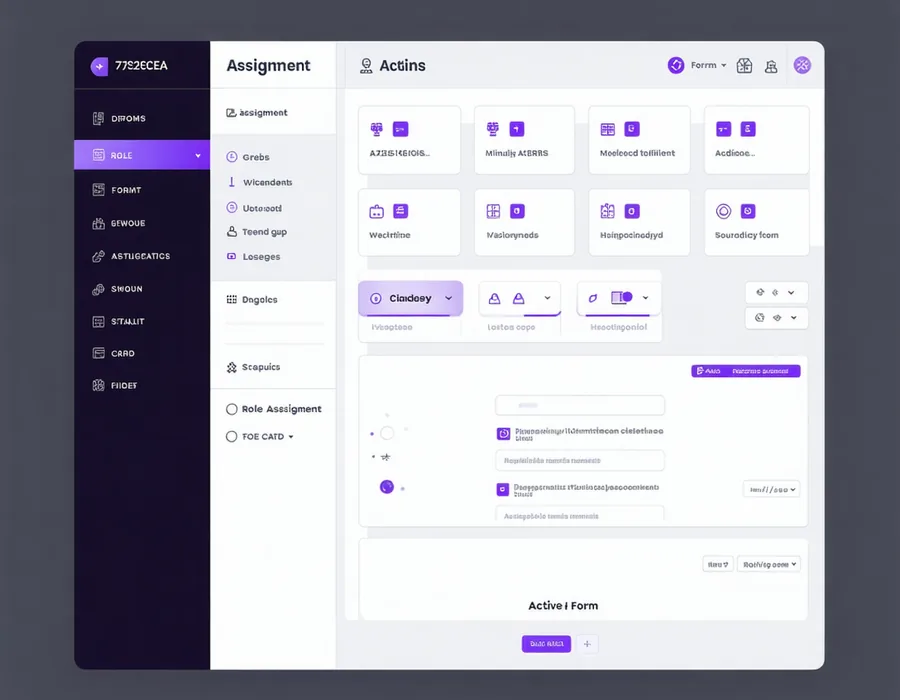
RBAC & Approval
Drift & Retrain Policy
Version Lineage
Integrations
Quick Integration
Add governance in 3 lines
Works with your existing MLflow setup. No migration required.
# Install via pip
pip install inferpathio
import inferpathio as ifp
ifp.init(api_key=os.getenv('INFERPATH_KEY'))
# Attach governance to any model log
with ifp.governance_run(
model_id='fraud-detector-v2'
) as run:
run.log_model(model, flavor='sklearn')
run.set_policy('production-strict')
run.tag('env', 'production')Customer Stories
What happens when you add a governance layer
"Before Inferpathio, when our compliance team asked why the credit-score model had been retrained in Q4, the answer required three Confluence docs, two retrospective threads, and a week of calendar archaeology. Now the audit export takes about 90 seconds. Our last SOC 2 review cycle took 2 hours instead of 2 days to produce the ML evidence package."
"We manage 35 production models across six business units. The challenge isn't technical — it's organizational. With per-model RBAC policies, each team owns their own approval chain. The retrain queue replaced a weekly synchronization meeting. That meeting had been running for two years."
Compliance-ready from day one
Designed for enterprise teams navigating model governance audits, internal risk reviews, and cross-team accountability.
Immutable Audit Trail
Every governance event logged with actor, timestamp, policy version, and outcome. No modification or deletion by any role — including admin.
SOC 2 Controls
Infrastructure built with SOC 2 Type II controls: AES-256 at rest, TLS 1.3 in transit, RBAC, and vulnerability management. Not yet certified — see our security page for what that means.
PII-Aware Feature Handling
PII fields in prediction feature vectors are tagged and isolated. Consent-layer hooks let you exclude regulated fields from drift computation without changing your model code.
Per-Model Role Isolation
Access to each model's governance events, approval chain, and drift data is scoped independently. Team A cannot approve or view Team B's retrain queue.